People searching fuel near me are increasingly comparing station apps, membership discounts, and fuel prices, while also revisiting long-running myths about phones near pumps and the real risks around static electricity.
personal financegas pricesfuel near mefuel station appmembership discountsstatic electricitypetrol safetyconsumer savings

Searching fuel near me has become less about finding the closest pump and more about finding the cheapest, easiest, and safest one. Rising prices have pushed drivers to compare stations with unusual care, and the difference can be meaningful. A few cents per gallon may not sound like much, but for someone filling a large tank every week, app-based discounts and membership fuel programs can add up to real monthly savings.
That shift is visible in the way drivers now talk about station apps and warehouse fuel programs. Some have found that a membership tied to a retail app can unlock access to fuel stations with prices well below nearby competitors. For drivers who buy premium fuel or commute often, the math is hard to ignore. A tank that costs $15 less each time can become $40 to $60 in monthly savings, which can matter just as much as grocery discounts or streaming perks. In that sense, fuel near me is no longer just a location search. It is a budgeting tool.
The appeal is straightforward: convenience, lower prices, and a smoother payment process. App-based fueling can reduce the friction of paying at the pump, and some programs let drivers use a linked app rather than a physical membership card. That matters for people who are trying to keep a close eye on household expenses, debt payoff, or long-term savings. When fuel prices rise, the nearest station is not always the best choice. The cheapest nearby option can be worth a short detour if it trims recurring costs.
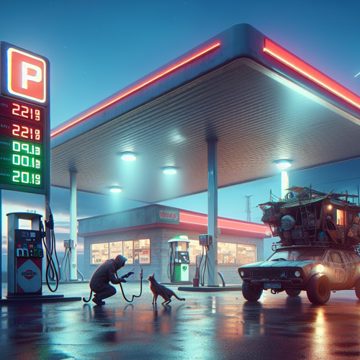
At the same time, the search has also revived a very old question: is it dangerous to use a phone near a petrol pump? The short answer is that the myth is much bigger than the risk. Fuel ignites from sparks, open flames, or static discharge under the right conditions, not from ordinary mobile phone use. Tests over the years have repeatedly failed to show phones causing fuel-vapor explosions in realistic conditions. The more credible hazard is static electricity, especially when people get in and out of cars while fueling or wear clothing made from synthetic fabrics that can build charge.
That distinction matters because the warning signs at service stations can make the risk seem mysterious. Drivers are often told not to use phones, but the practical concern is not a phone signal setting off a blast. It is the possibility of a spark in a vapor-rich environment, which is why touching metal after sliding out of a car or wearing fabrics that build static can be more relevant than checking a map or price app. The common safety message is simple: avoid unnecessary ignition sources, stay attentive, and do not treat the fueling area casually.
The pricing side of fuel near me also reflects a broader financial squeeze. When fuel gets expensive, households begin to make decisions based on every recurring purchase, not just big bills. A driver who normally ignores brand differences may suddenly compare warehouse stations, supermarket pumps, and app-linked discounts. A person building savings from scratch may see fuel as one more line item to optimize alongside rent, groceries, and loan payments. In that environment, fuel is not just a commodity. It is part of a household balance sheet.
That is one reason these fuel station apps have become more attractive. They promise small but steady savings without requiring a major lifestyle change. The value is not only in lower prices but in visibility. Drivers can see nearby stations, compare rates, and choose based on cost instead of habit. For some, that makes the fuel search feel more rational and less random. The ability to check fuel near me and immediately see a cheaper option changes behavior in a way that old roadside signs never could.
There is also a practical limit to how much convenience matters when prices keep climbing. A cheaper station is not always worth a long drive, but when the savings are large enough and the route is already close, app-based fuel shopping starts to look like a smart routine rather than a chore. That is especially true for drivers with larger tanks, premium gasoline needs, or weekly refill habits. A small percentage discount becomes more important when multiplied across the year.
The larger lesson is that fuel near me now sits at the intersection of consumer tech and personal finance. Drivers want the nearest station, but they also want the best deal and the least hassle. Fuel apps, membership programs, and location tools have turned a basic errand into a comparison exercise. Meanwhile, the safety folklore around phones at pumps continues to survive, even though the real lesson is more specific: static is the issue, not the handset in your pocket.
As fuel prices remain volatile, the search will likely keep growing in importance. People will keep looking for nearby stations that combine lower prices, app convenience, and trustworthy safety practices. The appeal is easy to understand. When every fill-up matters, fuel near me is really a search for control over one more part of the monthly budget.