US and Iran news is turning again around a dangerous mix of military escalation and fragile diplomacy. Reports of stalled talks, threats to key shipping lanes, and fresh strikes have raised the risk of a wider regional shock.
oil pricesStrait of Hormuzpeace talksUS and Iran newsUS-Iran conflictBab el-MandebMiddle East tensions

US and Iran news has shifted sharply back toward confrontation, with signs that a tentative diplomatic track is weakening just as military pressure rises across the region. The latest developments point to a familiar pattern: brief hopes for a deal, followed by new threats, retaliatory moves, and renewed concern over the Strait of Hormuz and other chokepoints that matter far beyond the Middle East.
What stood out most in recent reporting and market signals was how quickly the tone changed. A preliminary understanding had appeared to offer a path toward easing tensions, including steps that could reopen shipping routes and reduce the risk of direct confrontation. But that optimism did not hold. After new strikes in Lebanon and a breakdown in communications, Iran reportedly suspended talks with Washington and signaled that it was considering broader pressure points at sea. The result was an immediate jump in crude prices and a renewed sense that the conflict could spill into global energy and trade flows.
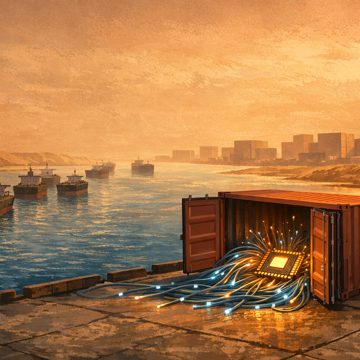
That matters because the current standoff is no longer confined to rhetoric. The threat environment now includes the possibility of disruption in both the Strait of Hormuz and the Bab el-Mandeb, two of the most important maritime corridors for oil and container traffic. Even the prospect of simultaneous pressure on both routes is enough to rattle shipping, insurance, and fuel markets. Analysts estimate that a double disruption could put a large share of global oil and gas flows, along with a significant chunk of container shipping, at risk. In practical terms, that means higher fuel costs, delayed deliveries, and more strain on countries already vulnerable to supply shocks.
The oil market reaction shows how sensitive the system remains. Prices had fallen when reports suggested a diplomatic breakthrough was possible, but they reversed once the deal track appeared to collapse. That swing is not just a trading story. It reflects how much of the world economy is still exposed to the balance between US-Iran conflict escalation and peace talks. A few headlines can move fuel prices sharply, but the deeper risk is that repeated false starts make every future negotiation harder to trust and every military move more likely to trigger a wider response.
The diplomatic side of the picture looks increasingly fragile. Signals from Washington suggest that talks are still formally alive, but the conditions for progress have narrowed. At the same time, Iran is responding to regional attacks and pressure from allied militias by hardening its position. That leaves very little room for a mutually acceptable off-ramp. When back-channel communication breaks down, even small incidents can become justification for larger action. In that environment, the line between deterrence and escalation gets thinner by the day.
The military angle is also broadening. Recent developments in Lebanon have added another layer to the crisis, linking the US-Iran standoff to Israeli operations and to the wider network of groups aligned with Tehran. That makes the conflict harder to isolate. A strike in one theater can trigger a response in another, and maritime threats can quickly become part of the same cycle. The result is a regional security picture that is less about a single front and more about a chain reaction across several.
For ordinary people, the effects show up first in prices and shortages. Fuel markets react quickly, but the damage can spread into freight costs, airline expenses, food imports, and the availability of manufactured goods. Countries that depend heavily on imports are especially exposed. Even where supply has not yet broken down, the fear of disruption can force governments and companies to build costly buffers. That is why a diplomatic setback between the United States and Iran can be felt far from the Gulf, even in places with no direct role in the conflict.
The broader backdrop is one of mounting instability. Climate stress, conflict, and supply fragility are reinforcing each other. Energy systems already under pressure from weather extremes and infrastructure limits become even more vulnerable when a major regional dispute threatens shipping lanes. In that sense, the current US-Iran episode is not just another geopolitical flare-up. It is a stress test for a global system that has little slack left.
There is still a narrow path back toward talks, but it would require restraint on multiple sides at once. That means fewer strikes, clearer communication, and some way to separate immediate security concerns from longer-term political disputes. Without that, the region is likely to remain stuck in a cycle where diplomacy opens briefly, then closes again after the next attack or threat. The danger is not only a direct US-Iran confrontation, but the possibility that a series of limited moves gradually creates a much larger war.
For now, the central lesson from the latest US and Iran news is that escalation and negotiation are moving in opposite directions. Markets are nervous, shipping is exposed, and the political channel that might have reduced the risk appears weaker than it did only days ago. Whether the next phase is a renewed diplomatic push or another round of retaliation will depend on decisions made quickly, under pressure, and with very little margin for error.