Iran is back at the center of a fast-moving ceasefire crisis as Trump alternates between warning of renewed fighting and signaling a deal. U.S. strikes, maritime security concerns, and questions over congressional approval are now colliding with doubts about whether the agreement can hold.
irangeopoliticsTrumpceasefireStrait of Hormuzdiplomacyiran dealstrikes

Iran has become the focal point of a volatile ceasefire fight that now mixes diplomacy, military pressure, and political risk for President Donald Trump. The latest turn came after U.S. forces carried out strikes in southern Iran, including against missile launch sites and boats the military said were trying to lay mines. Officials described the actions as self-defense, but the episode underscored how fragile the ceasefire has become and how quickly a deal can give way to renewed force.
The strikes were reported just hours after Trump said negotiations with Iran were moving along well and suggested that the outcome would have to be either a major agreement or none at all. That contrast captures the central problem in the Iran file: the administration is trying to project strength while also keeping the door open to a settlement. In practice, the two goals are colliding. A ceasefire that is supposed to calm tensions in the region is instead being tested by military incidents, public ultimatums, and uncertainty over what terms the White House is actually willing to accept.
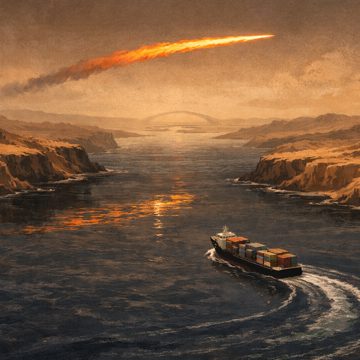
The immediate military issue is the Strait of Hormuz, one of the world's most important shipping routes. U.S. officials say the strait must remain open and unimpeded, and that any agreement with Iran has to secure freedom of navigation there. That demand is not new, but it has taken on greater urgency as both sides show they are prepared to use force around the waterway. If boats are laying mines and aircraft are being targeted, the ceasefire is less a hard stop than a temporary pause in a much wider confrontation.
That is why the Trump decision matters so much. He is not only deciding whether to keep talks alive; he is also deciding how much military pressure to apply while those talks continue. Supporters of a hard line see the strikes as necessary leverage, a way to force Iran to back away from threats and accept stricter terms. Critics see a familiar pattern: talk of peace followed by escalation, with no stable strategy for ending the conflict. The gap between those views has widened because the administration has not clearly explained what success looks like beyond a broad demand for a better deal.
The emerging framework under discussion appears to leave several major questions unresolved. One concern is timing. Instead of requiring immediate action on Iran's enriched uranium stockpile, the structure appears to postpone key nuclear decisions until after the ceasefire. That gives negotiators room to work, but it also gives Iran time and reduces immediate leverage. Another concern is whether freezing assets, easing pressure at sea, or relaxing restrictions too early could hand Tehran benefits before any lasting security guarantees are in place.
Regional allies are also uneasy. Israeli leaders and security hawks worry that a rushed agreement could weaken deterrence and leave Iran with room to recover while the region is told to accept a temporary calm. Their concern is not just about nuclear material or shipping lanes. It is also about whether the United States is setting a precedent that force can be used to create a pause without a clear endgame. If that becomes the model, the ceasefire may look less like a durable diplomatic breakthrough and more like a short-lived intermission.
In Washington, the debate has turned to authority and accountability. Some lawmakers are pressing for congressional approval before any further military action. That question matters because strikes in or around Iran can quickly broaden into a larger conflict, especially if U.S. forces are hit in return. A president can order limited action in the name of self-defense, but sustained military pressure raises harder legal and political questions. The more the ceasefire frays, the more those questions return.
The political stakes are high for Trump personally. He has long presented himself as a dealmaker who can end conflicts by sheer force of will, yet Iran is exposing the limits of that image. When he says negotiations are going well and then U.S. forces strike targets in Iran, it creates the impression of a policy that is moving in two directions at once. That may be deliberate - a mix of coercion and bargaining - but it also risks making the administration look reactive rather than in control.
The broader regional picture is equally unstable. Any clash near the Strait of Hormuz can affect energy markets, shipping insurance, and the security calculations of neighboring states. A ceasefire that cannot protect maritime traffic will not feel like a real ceasefire for long. Likewise, if Iran believes the United States is using the truce to set up future strikes, Tehran may conclude that restraint is not being rewarded. Once that suspicion sets in, the political space for compromise narrows fast.
For now, the Iran ceasefire deal appears to be hanging on two fragile conditions: that both sides continue to see more value in negotiation than in escalation, and that the White House can define a red line that is credible without being self-defeating. Trump seems to want the appearance of a decisive deal and the option to use force if the deal falls short. Those aims are hard to reconcile. The latest strikes suggest that the balance is already slipping.
If the ceasefire survives, it will likely be because both sides decide the costs of open conflict are too high. If it fails, the reasons will probably be familiar: unclear terms, competing red lines, and a rush to claim leverage before the other side can. Iran remains central because it sits at the intersection of all three. The decision Trump makes next may determine whether this becomes a negotiated pause or another brief truce before a wider confrontation.