New Orleans weather is defined by heat, humidity, sudden downpours, and storm risk, but it also shapes daily life through bugs, flooding, and the changing feel of the Gulf Coast season.
New Orleans weatherGulf Coasthumiditystormsfloodingmosquitoeslove bugscoastal erosion

New Orleans weather is rarely subtle. Heat, humidity, and sudden rain are part of the city s identity, and the same conditions that make the region lush also make daily life feel intense. In a place shaped by the Gulf, the delta, and low-lying land, weather is not just a forecast. It affects travel, homes, insects, and the way people plan each day.
One of the most common themes tied to New Orleans weather is moisture. The air can feel heavy for long stretches, and standing water after rain is a familiar part of the landscape. That wet environment helps explain why bugs can become such a major nuisance. Love bug season, mosquito season, and swarms of flying insects are all part of the broader experience of living near the coast and the delta. Windshields can be caked with insects after even a short drive, and vehicles often need repeated washing during peak season.
The bug problem is not unique to New Orleans itself, but the region's geography makes it worse. Low elevation, marshy ground, and water that lingers after storms create ideal conditions for insects to breed and thrive. In some areas, the problem is so thick that drivers describe it as if they are moving through rain made of bugs. Mosquitoes can gather in such density that they seem to hang in the air like fog, especially near water and at dusk.
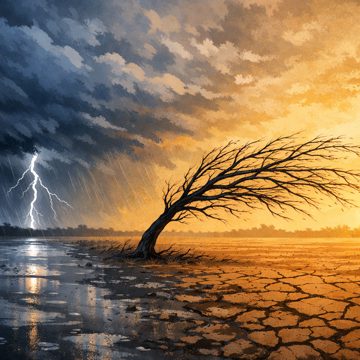
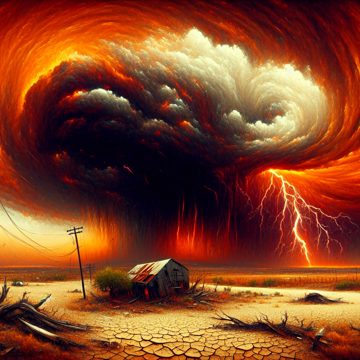
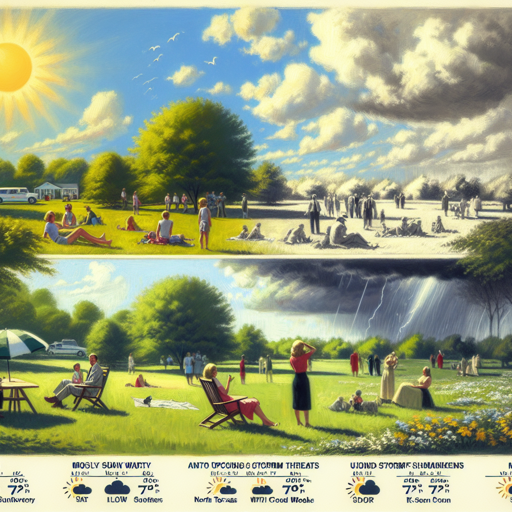
Storms are another defining part of the weather picture. Across the Gulf Coast and into southeast Texas and Louisiana, severe weather can build quickly, bringing lightning, heavy rain, and sometimes hail. Even when the sky looks dramatic and the air is still, conditions can change fast. That unpredictability is part of why residents pay close attention to weather alerts. A calm patio afternoon can turn into a night of thunder, bright lightning, and the uneasy sense that a storm system is moving in from the Gulf.
For New Orleans, weather also intersects with flooding risk and coastal erosion. The city and surrounding parishes sit in a region where water management is always a concern. Heavy rain can overwhelm drainage systems, and repeated storms can reshape the land over time. Coastal areas farther south face an even more direct version of that problem. Land loss, sinking ground, and storm damage have changed the shape of the coast for generations, and every major hurricane season reminds residents how fragile the geography can be.
That broader coastal reality also affects how people live. In some parts of the Louisiana coast, full-time residential life has become less common as insurance costs rise and repeated storm damage makes rebuilding harder. Some communities function more as work hubs or temporary camps than as traditional towns. In places tied to offshore industry, weather and water are part of the infrastructure itself. Roads, docks, and buildings are designed around conditions that can be wet, windy, and exposed for much of the year.
New Orleans weather can be beautiful too. The same humidity and warmth that create discomfort also support the city s green spaces, wetlands, and dramatic skies. Summer storms can produce striking light and intense cloud formations. After rain, the city can take on a vivid, almost cinematic look, with reflections on pavement and a thick, tropical atmosphere that feels unlike most of the country. The weather helps define the mood of the place as much as the food, music, and architecture do.
Seasonality matters. Peak insect season may be short-lived, but the discomfort it brings can feel endless when it is happening. Storm season can be even more consequential, especially when tropical systems threaten the coast. Residents often move between two kinds of weather anxiety: the ordinary inconvenience of heat and bugs, and the more serious concern of hurricanes, flooding, and high water. Both are part of life in a city where the climate is active year-round.
Travelers often notice the weather first. A trip to New Orleans can mean arriving into thick humidity, sudden showers, or a day so hot that the air itself seems to press down. That does not necessarily make the city less appealing. For many people, the atmosphere is part of the charm. But it does mean that weather shapes what the city feels like on the ground. A walk through the French Quarter, a drive along the coast, or a night near the water can all be transformed by rain, wind, or insects.
The practical advice is simple: expect moisture, prepare for storms, and do not underestimate the bugs. In New Orleans and the surrounding Gulf region, weather is not background noise. It is a constant force that affects movement, comfort, and even the look of the land itself. The city's climate can be punishing, but it is also inseparable from what makes the region distinct.