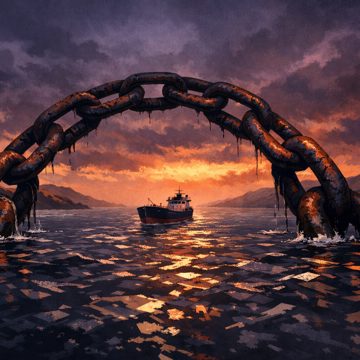
The Iran conflict is pushing NATO into a harder role as Europe, the United States, and other allies weigh military, economic, and diplomatic costs. Rising oil prices, sanctions pressure, and fears of a wider regional war are now colliding with domestic politics and market anxiety.
iranmarketssanctionsNATOhormuzoil crisisallianceenergy security

The Iran conflict is putting NATO under fresh strain at the same time global energy markets are already on edge. What began as a regional confrontation has quickly become a wider test of alliance cohesion, oil security, and the willingness of Western governments to absorb economic pain in pursuit of strategic goals.
The immediate concern is the Strait of Hormuz, where any prolonged disruption can ripple through oil, gas, fertilizer, and shipping markets almost instantly. Even a partial closure or sustained threat to tanker traffic can send prices sharply higher, raise fuel costs for households, and force governments to choose between military pressure and economic stability. That is why the conflict is no longer being viewed only as a Middle East crisis. It is now a NATO problem, a global trade problem, and a domestic inflation problem all at once.
Much of the anxiety comes from the sense that markets are underestimating how severe the disruption could become. Oil prices that were already elevated are now being treated by some analysts and traders as manageable, even though a major supply shock would affect nearly every part of the economy. Energy costs feed directly into transportation, food, plastics, chemicals, and industrial production. If the conflict keeps tightening supplies, the impact will reach far beyond gas stations.
There is also a political dimension that complicates the alliance response. European governments, Japan, South Korea, and other major importers would be hit hard by a long oil shock, yet they may be reluctant to take on a more direct role in pressuring Iran or in supporting a military escalation. The United States would likely need allied backing for any sustained strategy, but alliance unity becomes harder when each member is absorbing a different share of the economic pain. NATO works best when members agree on the threat and the remedy. In this case, both are contested.
The conflict has also revived debate over whether diplomacy can still produce a workable deal. Some observers believe any settlement would have to trade sanctions relief, frozen assets, or security guarantees for limits on Iran's nuclear program and freedom of navigation in key shipping lanes. Others argue that a deal reached under pressure could look less like a breakthrough than a temporary pause, especially if the underlying tensions over enrichment, regional influence, and retaliation remain unresolved.
That uncertainty is one reason the oil market reaction matters so much. If traders believe a ceasefire or agreement is imminent, prices can ease quickly. But if supply remains constrained, even a brief lull may not be enough to restore confidence. Consumers do not experience geopolitical risk in abstract terms. They experience it through the cost of heating, commuting, shipping, and buying groceries. That makes energy inflation one of the most politically dangerous parts of the crisis.
The broader security debate is unfolding alongside a more cynical one: who benefits from prolonged conflict. Higher oil prices can produce windfall profits for major producers and traders, while ordinary households pay more. That imbalance is fueling calls for windfall profits taxes, tighter oversight of energy firms, and stronger limits on wartime price gouging. The argument is simple: if the burden of conflict is being spread across the public, then some of the gains should be recovered for the public too.
At the same time, the war is forcing NATO to confront uncomfortable questions about its own limits. The alliance was built to deter large-scale aggression in Europe, but modern crises increasingly pull it into energy security, maritime defense, cyber risk, and regional escalation management. A conflict centered far from Europe can still shape alliance strategy if it threatens shipping routes, destabilizes partners, or drives inflation across member states. That is why the Iran crisis is being treated not just as a regional emergency but as a stress test for the post-Cold War security order.
The tension is especially visible in how leaders talk about deterrence. Hardline rhetoric may reassure some domestic audiences, but it can also narrow the room for negotiation. Meanwhile, any sign of weakness may encourage further escalation. NATO governments are caught between those two risks, trying to show resolve without stumbling into a wider war that could outlast the initial crisis and deepen the economic shock.
There are also secondary effects that are easy to overlook. Shipping insurance costs rise. Freight routes shift. Industrial planning becomes more expensive. Central banks face a harder inflation picture just when they want stability. Even countries not directly dependent on Gulf oil can feel the consequences through higher input costs and slower growth. In that sense, the Iran conflict is not just about geopolitics or military posture. It is about the fragility of the entire energy system.
For now, the central question is whether NATO members can coordinate a response that reduces the risk of broader war while limiting the damage to consumers and markets. That could mean tighter maritime protection, more aggressive diplomacy, emergency energy coordination, and pressure for an eventual settlement. But each of those steps carries tradeoffs. Too little action invites escalation. Too much risks turning a regional crisis into a larger confrontation.
What makes the moment so volatile is that the military and economic timelines are moving together. A battlefield decision can move oil prices in hours. A price spike can reshape politics in days. A political shift can alter the willingness of allies to stay united for months. In that environment, NATO is not simply responding to events in Iran. It is being forced to decide what kind of alliance it wants to be when security and energy are inseparable.
The result is a crisis that looks bigger than any single front. It is about missiles and shipping lanes, but also about fuel bills, sanctions, alliance solidarity, and the credibility of Western strategy. If the conflict deepens, NATO will have to prove it can manage all of those pressures at once. If it does not, the oil shock may become the defining story long after the fighting itself fades.