Mortgage loan rates today are keeping housing costs high, feeding foreclosure pressure, and leaving many owners stuck with low-rate loans they cannot replace. The strain is spreading into auto loans, consumer debt, and broader worries about the next downturn.
mortgage rateshousing market2008 financial crisismortgage loan rates todayforeclosure filingsauto loan ratesconsumer debtstock marketshort selling

Mortgage loan rates today remain one of the clearest signs of how much pressure households are under. Even when home prices stop rising as fast, the monthly payment can stay punishing because borrowing costs, taxes, insurance, and maintenance have all moved higher. For many buyers, the issue is no longer just whether they can qualify for a loan. It is whether the payment still makes sense once the rest of the bill is added up.
That is part of why foreclosure filings have climbed to their highest level since early 2020. The increase is being driven less by one single shock than by a stack of them: higher housing costs, bigger insurance premiums, rising property taxes, the end of pandemic-era relief, and in some cases job or income problems. Families that once managed to stay current are now running into payment shocks that did not exist when they first signed their mortgage papers.
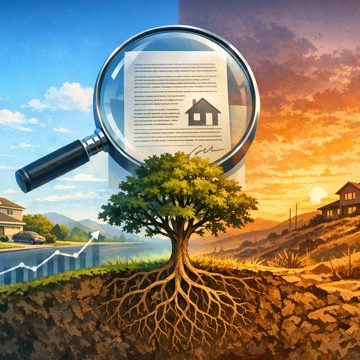
At the same time, the housing market is split between two kinds of owners. Some bought before rates jumped and are locked into loans below 3.5 percent. Others bought more recently and are dealing with rates closer to the mid-6 percent range, plus the higher cost of everything surrounding the home. That difference has created a kind of financial trap. Longtime owners may have equity on paper, but they do not want to give up a low payment. Newer buyers may have a rising home value, but that does little to help when the monthly bill is already stretched.
The result is a market where people feel richer and poorer at the same time. A house bought cheaply in 2020 or refinanced in 2021 can look like a major gain on paper, yet the owner may be unable to move without taking on a far more expensive loan. For some families, that has become the defining feature of the current housing cycle: the home is valuable, but the mortgage is effectively untouchable. That is why many owners describe themselves as being married to the interest rate.
This is also why comparisons with the 2008 financial crisis keep resurfacing. The present stress is not the same as the subprime collapse, but the memory of that period still shapes how people read any rise in delinquencies or foreclosures. In 2008, the damage spread through a financial system built on risky mortgages, loose underwriting, and a long chain of incentives that rewarded volume over caution. The crash became a symbol of how quickly housing problems can turn into a wider economic event.
There is an important difference today. Foreclosures are rising, but they are still below the extremes seen during the Great Recession. The current problem looks more like affordability pressure than a system-wide credit breakdown. Still, the warning signs matter. Consumer debt is high, credit card delinquencies are rising, student loan payments have resumed, and auto loan rates have also stayed elevated. When households are squeezed in several places at once, mortgage trouble can become one piece of a broader balance-sheet problem.
That broader strain helps explain why housing anxiety is not limited to people who are behind on payments. Even buyers who are current on their loans may feel stuck. A family that borrowed with a 15-year mortgage may pay less over time, but the monthly obligation can still be heavy. A buyer who stretched to afford a new build may now be dealing with a payment that leaves little room for emergencies. In some cases, owners counted on basement rentals or roommate income to make the numbers work, only to find that those extra dollars are not guaranteed.
The pressure is also changing how people think about renting versus owning. In some areas, renting can look cheaper and more flexible, especially if a landlord has not raised the rent in years. In others, ownership still offers stability, but only for those who locked in before rates moved up. That is one reason the housing market feels so uneven: the same property can represent security for one household and a financial strain for another.
Auto loan rates are part of the same story. Higher borrowing costs are not limited to homes. They affect cars, credit cards, and any purchase that depends on monthly financing. When rates rise across the board, households lose room to absorb shocks. A mortgage that once seemed manageable can become fragile if a car payment, daycare bill, insurance premium, or tax increase lands at the wrong time.
Stock market worries add another layer. Some investors still look for signs of stress in financial stocks, especially when housing data weakens or credit losses tick up. In periods of uncertainty, short sellers often become more active, betting that highly exposed lenders, homebuilders, or consumer finance companies will face pressure. That does not mean a crash is imminent, but it does show how quickly housing data can ripple into broader market sentiment.
The emotional side of this moment is hard to miss. People who bought at low rates feel lucky, but also trapped. People who waited feel punished by the jump in payments. Younger buyers often see homeownership as a moving target, especially when income growth cannot keep up with the monthly cost of entry. And older owners who remember 2008 are watching foreclosure data closely, wondering whether the system is simply normalizing or inching toward another round of stress.
For now, mortgage loan rates today are less about a single number and more about what that number represents. It is the cost of getting into a home, the cost of staying in one, and a measure of how much slack families have left in their budgets. When that cost stays high, the effects spread far beyond real estate. They show up in car loans, consumer debt, savings behavior, and the way people think about the next downturn.
That is why the housing market is getting so much attention again. The question is not only where rates go next. It is how many households can keep carrying the load if they do not come down soon.