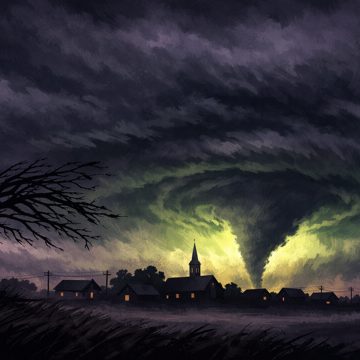
A tornado watch can mean more than a weather alert. For many families it triggers safety routines, old trauma, late-night vigilance, and practical habits from charging phones to checking shelters. It also sparks talk of past outbreaks, storm science, and even a little humor.
severe weathertornado watchstorm preparationtornado safetytornado warningweather alertssoutheast stormstornado historystorm anxietyweather apps

A tornado watch can change the mood of an entire day in minutes. In parts of the Southeast, where severe weather has become an increasingly familiar threat, people react fast: they charge phones, move into safe spots, gather shoes and flashlights, and keep an eye on local alerts as the risk rises. The goal is simple - be ready before a warning arrives and before the storm turns dangerous.
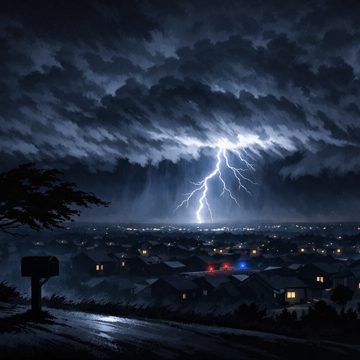
That urgency is not abstract. For many households, tornado prep is tied to memory. A watch can bring back the feeling of earlier outbreaks, the sound of sirens at night, and the stress of waiting in a basement while radar updates roll in. Some people say that learning a routine for severe weather helped them turn fear into something more manageable. Having a plan, a place to go, and a bag ready by the door can make a chaotic situation feel a little less helpless.
The advice is basic but important. Keep devices charged. Know where the safe room or basement is. Have water, shoes, and a flashlight nearby. If the power goes out, make sure you still have a way to receive alerts. In many homes, the TV used to be the main source of storm coverage, but a phone or tablet can matter just as much now, especially when the outage starts before the worst part of the storm arrives.
That is one reason tornado watches often come with a sense of logistics, not just weather. People think about travel plans, pets, medications, and whether the car is parked in a safe place. A family heading out for the weekend may add rain gear to a bag. Someone else may check whether the garage door is secure or whether loose yard items need to be brought inside. Even a short watch can become a checklist.
The emotional side is just as real. Severe weather can be especially hard for people who have lived through past tornadoes. A watch may trigger stress, insomnia, or a feeling that the storm is already too close. For some, the answer is to stay busy with practical steps. For others, it is to keep company with a live weather stream, follow the radar, and wait out the night as calmly as possible. The routine does not erase the anxiety, but it can give it a shape.
Historical tornado events remain part of how people understand these alerts. Major outbreaks are remembered not only for the damage they caused, but for the way they changed how communities talk about risk. The 2011 Ringgold-Apison tornado is one example that still stands out in severe-weather memory. Damage in Tennessee, especially near Apison and Cleveland, was intense, with homes swept clean from foundations, large trees uprooted or debarked, and vehicles thrown long distances. The event is often discussed as a reminder that the most violent part of a tornado is not always where people first focus their attention.
That kind of history shapes how people read a tornado watch today. A watch is not a warning, but it is a signal that conditions are becoming favorable for dangerous storms. In the Southeast, that matters more than ever. Many observers note that tornado risk has been shifting eastward, away from the old image of the Great Plains as the only major tornado zone. Nighttime storms and fast-moving systems are especially concerning because they leave less time to react.
Meteorology itself has become part of the public conversation around these events. People follow forecasts, model runs, and storm tracks with a level of detail that once belonged mainly to professionals. Some watch local meteorologists closely; others use independent weather coverage when storms are near. The appeal is not just accuracy. It is also the sense that someone is translating complicated radar data into a plain warning: where the storm is, where it is headed, and what to do now.
There is also a lighter side to all of this, even in tense weather. Severe-weather humor has its own style: exaggerated state pride, mock rankings of storm strength, and jokes about how one region always seems to get the worst of it. That kind of gallows humor can feel odd from the outside, but it is common in places where tornadoes are part of life. It is one way people cope with a threat that is serious, unpredictable, and often impossible to ignore.
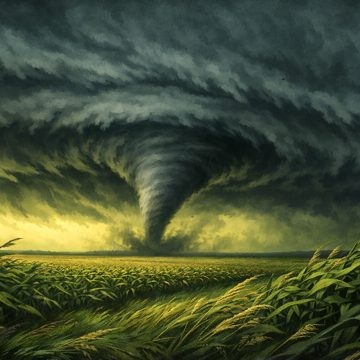
Popular culture adds another layer. A tornado watch can send people back to disaster movies, storm documentaries, or even fictional stories built around sirens, shelters, and strange weather. Some writers use tornadoes as a setting for suspense or supernatural drama because the storm itself already creates instant tension. Others are drawn to the visual power of the funnel cloud, the dark sky, and the sudden silence before impact. The same force that demands preparation also makes for compelling storytelling.
Games and weather apps fit into the picture too. A lot of people now expect alerts to arrive instantly on their phones, and that expectation has influenced how weather tools are built. Developers have had to think about speed, clarity, and trust: how to show a watch versus a warning, how to avoid alert fatigue, and how to make sure the message is understood at a glance. In severe weather, design is not cosmetic. It is part of safety.
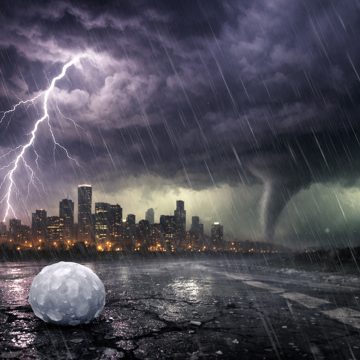
Car repairs and storm prep often meet in the same moment. If hail is possible, people move vehicles under cover. If wind is expected, they check for weak branches, loose trim, or anything that could become debris. If the storm is already underway, they may think about what happens if a tree falls or a garage door is damaged. Tornado watches can expose how much daily life depends on small, easily overlooked things staying in place.
That may be the clearest lesson of a tornado watch. It is a warning to slow down and get ready before the worst arrives. It asks people to respect the weather without assuming the storm will miss them. It also shows how severe weather has become part of modern routine in many regions: a mix of planning, memory, technology, and nerves. When the sky turns threatening, the best response is often the simplest one - stay alert, stay sheltered, and take the watch seriously.