Brookhaven, Mississippi became the focus of a dangerous tornado outbreak, with a rain-wrapped wedge, debris lofted miles high, and damage along I-55. The storm also exposed the risks faced by chasers and the vulnerability of large homes and roadside development.
search and rescuemississippi tornadoesBrookhaven MStornado outbreakstorm chasersMcMansionsI-55Dixie Alley

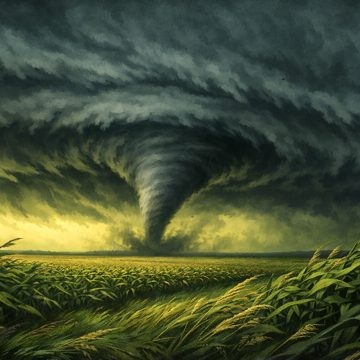
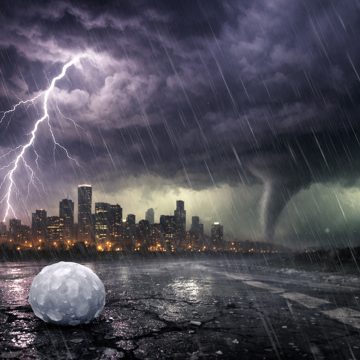
Mississippi tornadoes turned especially dangerous around Brookhaven as a violent, rain-wrapped wedge tore across the area, triggering repeated tornado emergencies and leaving behind a broad damage path. The storm was tracked in real time by chasers and radar watchers who described a massive debris ball, intense velocity signatures and a tornado that seemed to keep strengthening as it moved through south Mississippi.
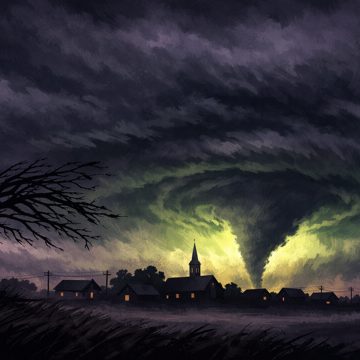
What made this outbreak so alarming was not just the size of the tornado, but the setting. The Brookhaven storm cut near I-55, a major interstate where traffic can include long-haul trucks, local commuters and drivers who may have little warning before encountering severe weather. Reports of debris lofted 20,000 to 25,000 feet into the air suggested a powerful circulation capable of shredding trees, structures and anything caught in its path. The tornado was described as rain wrapped, which is one of the most dangerous forms because the funnel can be nearly invisible until it is already close.
The outbreak also underscored how difficult tornado response can be in the Deep South. South Mississippi is heavily wooded, with dense greenery that can hide a tornado until it is too late. In that kind of terrain, people often rely on radar, alerts and storm coverage rather than a visual sighting. That makes timing critical. When a tornado is wrapped in rain and moving through trees and scattered homes, the margin for error gets very small.
Storm chasers played a prominent role in documenting the Brookhaven tornado, but their presence also raised familiar concerns about safety. The chase culture around major tornadoes has grown more visible, and with it the risk that some people will push too close for dramatic footage. The Brookhaven storm drew comments about chasers crowding the circulation and about the likelihood that someone would eventually get hurt if the chase environment keeps rewarding risky behavior. Even when experienced chasers operate carefully, a violent wedge in heavy rain can change course, intensify quickly or become impossible to see.
Search and rescue concerns were immediate because the tornado moved through an area with homes, trees and highway traffic. The first priority after a storm like this is finding out who was in the path and whether anyone is trapped. In a fast-moving outbreak, those answers can take time. Nighttime conditions make the work harder, and rain-wrapped tornadoes can leave very little visual evidence until daylight reveals the true scale of the damage. The expectation of widespread destruction was reinforced by the debris reports and by the repeated emergency warnings issued as the cell continued to dominate its surroundings.
The Brookhaven area also fits a broader pattern in Mississippi tornadoes: severe storms often strike places where people do not expect the most dangerous impact. Large subdivisions, newer developments and wide-roofed homes can all be vulnerable when a major tornado arrives. McMansions and other oversized houses are not immune just because they look sturdy. In fact, their size, roof spans, attached garages and complex framing can create weak points when hit by violent wind. A house can be expensive and still fail badly if the structure is not built to withstand extreme uplift and debris impact. In a tornado outbreak, appearance is no guarantee of protection.
That vulnerability matters because many communities in the South have expanded with large homes on open lots, along highways and around the edges of towns. Those areas can look safe in ordinary weather, yet they may be exposed when a tornado crosses a corridor like I-55 or moves through a suburban fringe. The Brookhaven storm served as a reminder that tornado risk is not limited to older houses or mobile homes, even though those remain especially fragile. Bigger homes can suffer catastrophic roof loss, wall failure and interior damage when hit by a strong wedge.
The damage scene near Brookhaven was described as extensive, with trees stripped and torn out of the ground and a broad swath of destruction that suggested a powerful and long-lived tornado. That kind of footprint usually means more than broken branches and scattered shingles. It can mean blocked roads, damaged power lines, interrupted communications and a prolonged recovery period for families and businesses. When debris is lofted high enough to be seen on radar, the storm is often violent enough to leave a lasting scar on the landscape.
Mississippi tornadoes are especially feared because they can combine high moisture, poor visibility and densely wooded terrain. The Brookhaven outbreak captured all of those hazards at once. The tornado was not just a weather event on a radar screen. It was a fast-moving public safety emergency involving people in homes, drivers on a major interstate, chasers trying to document the storm and rescue crews preparing for the aftermath.
In the end, Brookhaven became a stark example of how quickly a tornado outbreak can escalate in Dixie Alley. A storm that begins as a radar signature can become a life-threatening wedge with little warning, especially when rain hides the funnel and trees block the view. The combination of violent wind, limited visibility and vulnerable structures makes Mississippi tornadoes some of the most dangerous in the country. Brookhaven now joins that list as a place where the scale of the storm, the risks to people on the ground and the fragility of even substantial-looking homes all came into sharp focus.