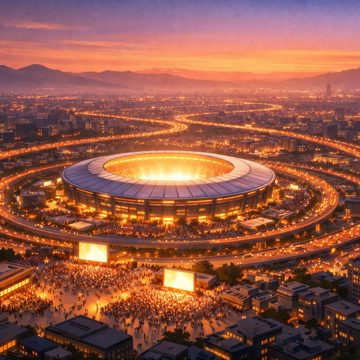
As the FIFA World Cup approaches, ticket prices, shifting inventory, and local logistics are creating frustration for fans trying to plan trips, book travel, and judge whether the experience is worth the cost.
FIFA World Cupticket priceslogisticsWorld Cup ticketsFIFA2026 World Cupstadium accessfan travel
The FIFA World Cup is supposed to be a once-in-a-lifetime trip for many fans. Instead, the 2026 tournament is already becoming a stress test for ticket buyers, with high prices, erratic inventory changes, and mounting concerns about everything from stadium access to nearby business disruptions.
The biggest complaint is simple: tickets are expensive, and they do not seem to stay available in a predictable way. Fans tracking sales for marquee matches, including the U.S. opener in Los Angeles, have noticed tickets appearing and disappearing in ways that make planning difficult. In one case, thousands of seats were added to the official inventory and then removed within a day. That kind of movement has fueled suspicion that the system is being used to create urgency rather than to steadily release seats to ordinary buyers.
For supporters trying to budget a World Cup trip, that uncertainty matters as much as the sticker price. Group-stage tickets that once felt like a manageable splurge are now being compared with earlier tournaments, when the average cost was far lower even after inflation. Many fans who were excited about seeing a home World Cup in the United States now say the pricing makes the event feel less like a celebration and more like a luxury product.
The reaction has been especially sharp because the tournament is being staged in a country where many families already face high travel and entertainment costs. A single match can require not just a ticket, but also parking, transit, hotel rooms, food, and time off work. For fans coming from outside the host city, the total bill can quickly climb far beyond the face value of admission. That is changing how people think about which matches are realistic to attend and which ones are out of reach.
The price issue is also colliding with logistics. World Cup matches in the United States will be spread across large metropolitan areas, and that means fans need to navigate stadium traffic, parking shortages, security screening, and limited last-mile transit options. At venues like SoFi Stadium in Los Angeles, the sheer scale of the event raises questions about how crowds will move in and out efficiently. When ticketing is already confusing, the challenge of getting to the stadium only adds to the sense that the experience is becoming harder to justify.
There are also signs that the tournament is affecting local businesses and property owners well before the first whistle. In Houston, a brewery filed a lawsuit after alleging that its landlord was trying to push it out to capitalize on World Cup-related demand. That kind of dispute suggests the event is already reshaping commercial real estate around host cities, with landlords, bars, restaurants, and parking operators all looking at the tournament as a rare chance to raise revenue.
For some fans, that makes the World Cup feel less accessible and more commercialized than previous editions. The concern is not only that tickets are expensive, but that every layer of the trip seems designed to extract more money. Official resale platforms, premium seating, and staggered inventory releases can all be defended as standard event management. But when seats vanish and reappear while prices remain high, the system starts to look less like orderly distribution and more like a market engineered to maximize what fans will pay.
That perception matters because the World Cup depends on broad public enthusiasm. National-team matches are not ordinary club games. They are the kind of event that draws first-time attendees, families, and casual fans who may only go once every four years. If those people decide the cost and logistics are too punishing, the tournament risks becoming more exclusive than global.
Even political figures have been drawn into the pricing debate, which shows how visible the issue has become. When the opening match ticket prices for the U.S. team were described as too high to justify, the criticism landed as a broader complaint about affordability, not just about soccer. That kind of reaction is telling: the World Cup is supposed to be a showcase, but the first story many people hear is about price shock.
None of this means the tournament will lack demand. The World Cup remains one of the biggest events in sports, and the draw of seeing elite national teams on U.S. soil will fill many seats regardless of the controversy. But demand alone does not erase the frustration of people trying to plan responsibly. A family deciding whether to attend needs predictable pricing, clear inventory, and a realistic path to the stadium. Right now, many of those pieces feel uncertain.
The larger risk for FIFA is that the 2026 event becomes remembered not just for the matches, but for the sense that ordinary supporters were priced and squeezed out. If ticket releases continue to look erratic and the surrounding costs keep rising, the tournament may still sell out, but it could do so with a lot less goodwill than a World Cup usually enjoys.
For fans, that leaves a difficult choice. Wait and hope for better availability, or pay now and accept the premium. Either way, the FIFA World Cup is already testing how much loyalty supporters will extend when the experience starts to look expensive, complicated, and hard to trust.