
Retailers are expanding dynamic pricing and electronic shelf labels, raising fears of bait-and-switch tactics, surveillance pricing, and a future where shoppers pay different amounts based on data profiles.
dynamic pricingretailelectronic shelf labelssurveillance pricingconsumer protectionbait and switchprice discriminationdata privacy

Retail is moving toward a more fluid pricing model that changes with demand, time of day, inventory, and customer data. Supporters say electronic shelf labels and algorithmic updates can reduce labor costs and improve pricing accuracy. Critics see something very different: a system that turns everyday shopping into a moving target and gives large chains a new way to extract more money from consumers.
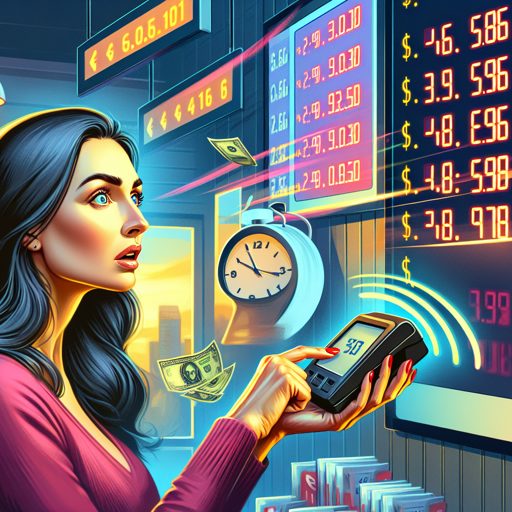
The biggest concern is not just that prices can change. It is that they can change while a customer is already in the store, or even after an item has been placed in a cart. For many shoppers, especially working families with rigid schedules, that creates an unfair burden. People cannot always time their trips around lower-demand hours, and they may not have the flexibility to compare prices across multiple stores in real time. What used to be a simple shelf price can become an unstable number that shifts before checkout.
That instability has also revived old questions about consumer protection. In many places, the price on the shelf is supposed to be the price charged at the register, and stores that make a mistake are often required to honor the lower amount. Some retail workers have said that digital shelf tags could actually make compliance easier if they are updated overnight and kept consistent during business hours. But that is not the same as changing prices while customers are actively shopping. Once a store begins adjusting prices in the middle of a purchase, the practice starts to look less like efficiency and more like bait-and-switch.
The deeper fear is that dynamic pricing will evolve into surveillance pricing. Instead of setting a single price for everyone, retailers could use location data, browsing history, purchase history, device data, or even in-store tracking to estimate how much a person is likely to pay. That would turn shopping into a form of individualized price discrimination, where two people standing in the same aisle might not be offered the same deal. The idea raises obvious ethical concerns because it rewards companies for knowing more about a customer than the customer knows about the pricing rules.
Some shoppers already assume this is where the technology is headed. Electronic shelf labels, RFID systems, cameras, and mobile tracking tools have made it easier for large chains to connect in-store behavior with customer profiles. If a retailer can detect what someone is touching, how long they linger, what device they carry, or how they typically spend, then the price can be adjusted to match the profile. That is why the issue has become bigger than retail operations. It is now part of a broader argument about data collection, privacy, and whether corporations should be allowed to monetize personal information in the most direct way possible.
The backlash is also fueled by distrust of big chains. Many consumers believe that large retailers have too much market power already, and that dynamic pricing will only widen the gap between corporate profits and consumer stability. They point out that many workers at major chains rely on public assistance because wages are so low, while companies invest in systems that could make prices even more aggressive. To them, the policy feels like a transfer of power upward: less certainty for shoppers, more leverage for corporations, and more pressure on households that are already stretched thin.
There is also concern that the practice will spread quickly once one major chain normalizes it. If one retailer posts strong earnings after adopting dynamic pricing, competitors may follow. That could make the model hard to avoid, especially in communities where a few large stores dominate grocery and general merchandise shopping. Some fear that local stores will not be able to resist the pressure, either because they buy from the same suppliers or because they depend on the same financial networks. In that scenario, the problem stops being one store's policy and becomes a standard feature of modern retail.
Lawmakers in some states have already begun to respond, and there are calls for broader rules that would limit when prices can change. One common proposal is simple: if a retailer wants dynamic pricing, the change should only happen at closing time or at a fixed daily interval, not while customers are in the aisle. Another proposal would require stores to honor the shelf price for a minimum period, giving shoppers a real guarantee that the price they saw is the price they pay. These ideas are meant to preserve basic trust, even if stores continue to use digital labels behind the scenes.
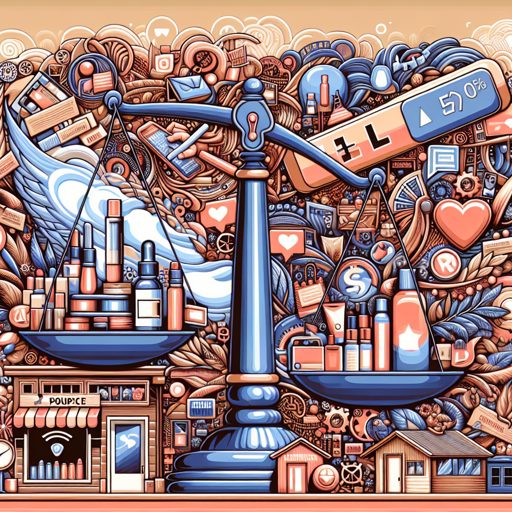
The broader debate is not really about whether prices can ever change. Retail has always used discounts, markdowns, and time-based promotions. The issue is whether price changes remain transparent, predictable, and fair. When a store uses algorithms to move prices in real time, based on who is shopping and what they are likely to spend, the transaction stops feeling neutral. It starts to look like a system designed to test the limits of what consumers will tolerate.
For now, the strongest consumer response may be simple refusal. Shoppers who feel manipulated can leave the cart behind, take their business elsewhere, or demand that lawmakers step in before the practice becomes routine. Whether the answer comes from regulation, enforcement, or public pressure, the central question is the same: should retail pricing be a public promise, or a private experiment in extracting the maximum amount from each customer?


Comments
No comments yet — be the first to share your thoughts.