
Retailers are moving toward dynamic pricing and data-driven surveillance pricing, raising concerns about fairness, consumer privacy, and bait-and-switch tactics. State lawmakers and federal regulators are starting to respond.
dynamic pricingretailelectronic shelf labelssurveillance pricingconsumer protectiondata privacyFTCprice gouginggrocery stores

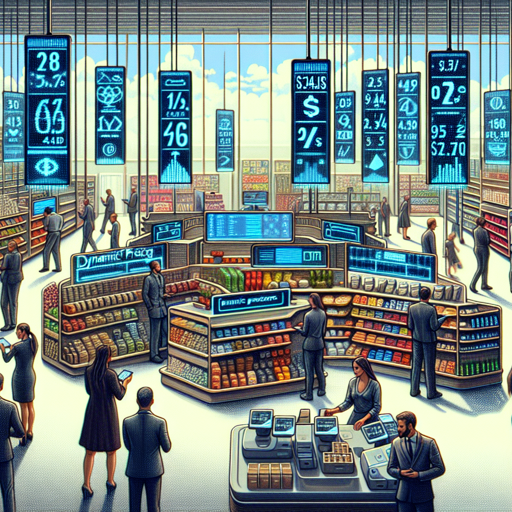
Retail pricing is entering a more aggressive phase, as stores test systems that can change prices in real time based on demand, location, shopping habits, and other personal data. What once looked like a convenience for retailers is increasingly being seen as a direct threat to price stability for consumers, especially working families who cannot time shopping trips around peak hours or constantly compare prices across stores.
The core concern is simple: if a price can change between the moment a shopper sees it and the moment they reach the register, the store has turned a basic purchase into a moving target. That creates obvious frustration, but it also raises deeper questions about fairness. A customer is supposed to be able to rely on the price displayed on the shelf. When electronic tags or algorithmic systems override that expectation, shoppers can no longer know whether they are getting a normal market price or a personalized markup.
That is where the idea of surveillance pricing comes in. Critics say some retailers are moving beyond ordinary demand-based pricing and into models that use personal data such as browsing history, location, device information, and shopping patterns to estimate how much a buyer is willing to pay. In effect, the store is not just responding to the market. It is trying to measure the individual customer and charge accordingly. That has fueled growing suspicion that price discrimination is being automated and scaled.
The ethical problem is not limited to privacy. It also affects trust. Many consumers already feel squeezed by inflation, stagnant wages, and corporate consolidation. Dynamic pricing adds a layer of uncertainty on top of that. A shopper who sees a price on the shelf expects that price to mean something. If the number can change by the time the item reaches the checkout lane, then the store has shifted the burden of price discovery entirely onto the customer.
Regulators are beginning to take the issue more seriously. The Federal Trade Commission is investigating whether these data-driven pricing models amount to unfair or deceptive trade practices. At the state level, Maryland is preparing to ban dynamic pricing in grocery stores, while California has already restricted some common pricing algorithms. New York and New Jersey have also introduced similar bans. The growing patchwork of rules suggests lawmakers are starting to treat dynamic pricing less as a novelty and more as a consumer protection issue.
Supporters of stronger rules argue that price changes should be limited to predictable windows, such as overnight or after closing, when customers are not actively shopping. That would preserve the ability of retailers to update prices without turning every purchase into a live negotiation. Some also argue that if a store uses electronic shelf labels, those labels should improve compliance by keeping tags accurate, not undermine it by enabling constant changes during business hours.
There is also a practical legal issue. In many places, the posted price is supposed to be the price the customer pays. If a lower price is displayed, some stores already have scan-award or price correction policies that require the customer to receive the lower amount. Workers with experience in retail say this kind of system can actually make pricing more transparent if it is used to enforce accuracy. But if prices are changing in the system while a customer is standing in front of the shelf, the whole point of those protections starts to collapse.
The concern becomes even sharper when shoppers believe pricing is being adjusted based on who they are rather than what the product is worth. Some worry that retailers could use the data they collect to sort customers into pricing tiers based on income, neighborhood, device type, or shopping history. That kind of system would deepen existing inequality by charging different people different amounts for the same item in the same store, with little visibility into how the decision was made.
That possibility has already pushed some consumers to say they would simply leave the store rather than accept the price. Others argue that widespread boycotts would be the only effective response if regulation fails to keep pace. But the broader fear is that once a major chain proves the model can raise revenue, competitors will follow. If one retailer can extract more money through personalized pricing, others may feel pressure to adopt the same approach, spreading the practice far beyond groceries.
The debate is also tied to wages and corporate power. Critics point out that many large retailers rely on low-paid workers, while some employees still need public assistance to make ends meet. From that perspective, dynamic pricing looks less like innovation and more like another way to transfer wealth upward. Instead of using new technology to improve service or lower costs, stores may be using it to squeeze more revenue from the same essentials.
There is a reason the issue has moved quickly from theory to policy. Retail technology has changed faster than consumer law. Bait-and-switch rules, shelf-price protections, and anti-gouging laws were written for a world of paper labels and slower price changes. Digital systems can alter the economics of a sale in seconds. Without new rules, the gap between what shoppers see and what they pay could keep widening.
The most likely outcome is more regulation, not less. States are already moving, federal scrutiny is underway, and retailers know the backlash can be immediate when consumers feel manipulated. The real question is whether lawmakers will act early enough to make the rules meaningful. If they do not, dynamic pricing may become one more standard feature of shopping, with the burden of proving fairness shifted entirely onto the customer.




Comments
No comments yet — be the first to share your thoughts.