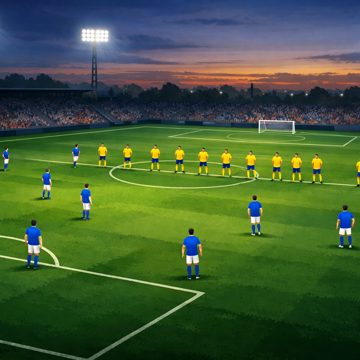
The 2026 World Cup will open on June 11, 2026, and the long lead-up is already driving betting interest, bracket contests, and early group-stage speculation. The expanded tournament means more matches, more markets, and more chances for fans to get carried away.
soccerbettingWorld Cup 2026when does the world cup startJune 11 2026group stagebracket challenge

When does the World Cup start is the question many fans are already asking as attention shifts toward the 2026 tournament in North America. The opening match is set for June 11, 2026, and that date matters for more than just kickoff planning. It sets the timetable for betting markets, bracket contests, group-stage predictions, and the flood of promotions that usually arrives before the first ball is kicked.
The 2026 World Cup will be the biggest edition yet, with 48 teams and 104 matches spread across the United States, Mexico, and Canada. The group stage will be especially busy, with multiple games per day and a schedule that can stretch across time zones and late-night viewing windows. That expanded format is one reason the tournament is already attracting heavy interest from bettors and casual predictors alike. There are simply more matches to analyze, more live markets to follow, and more opportunities for a single result to change an entire bracket.
That scale also changes the feel of the event. The group stage is no longer just the opening act before the knockout rounds. It is a dense stretch of fixtures that can decide who advances, who gets trapped in a difficult group, and which favorites start slowly. For fans trying to work out when the World Cup starts, the answer is only the beginning. The real challenge is mapping what happens in the first two weeks, when form is uncertain and the betting lines can move quickly as injuries, travel, and team selection become clearer.
A major theme around the tournament is how closely betting has become tied to the World Cup experience. Betting companies are expected to push hard around the event, using sponsorships, odds widgets, special offers, and live in-play markets to make wagering feel like part of the matchday routine. The appeal is obvious: a global tournament with constant fixtures creates a nonstop stream of predictions, from winner markets and top scorer bets to group winners, both teams to score, and same-game combinations. For many fans, that adds another layer of interest. For others, it raises a familiar warning: the more seamless betting becomes, the easier it is to spend more than intended.
The concern is not only about money. Big tournaments can turn into long stretches of emotional swings, and betting can intensify those swings. A late equalizer, a missed penalty, or a surprise upset can change the outcome of a bet in seconds. That is part of the product, but it is also part of the risk. The strongest message around the tournament is simple: enjoy the football, but keep control of your spending and watch for signs that betting is becoming more than entertainment.
The World Cup bracket contests now being promoted around 2026 show how much the event has become a prediction game beyond traditional sportsbook wagering. Some contests promise large prize pools for perfect brackets or team-based scoring, and the appeal is easy to understand. Fans like the idea of testing their knowledge against the entire tournament, not just a single match. But the same logic that makes brackets fun can also make them addictive. Once a group-stage pick is wrong, the urge to chase losses or make riskier bets can grow fast.
That is especially true in a tournament with a long group stage and so many matches each day. A bad start does not end the event, but it can tempt people into trying to recover quickly. The more games there are, the easier it is to think there will always be another chance. In reality, that mindset is often what turns casual betting into a problem. The World Cup offers enough drama on its own without needing to turn every fixture into a financial decision.
There is also a practical side to the start date. Knowing when the World Cup begins helps fans plan travel, viewing parties, and time off work, but it also helps set boundaries. If someone wants to place a few bets, it is smarter to decide on a fixed amount before the tournament starts than to improvise once the group stage is underway. The opening whistle can be a useful deadline: set a budget, stick to it, and treat any betting as a small part of the entertainment rather than the point of the event.
The 2026 tournament will likely produce a wave of predictions before June 11 and a fresh wave of second-guessing once the group stage begins. That is part of what makes the World Cup so compelling. Every edition brings national pride, tactical debates, and the hope that a favorite can go all the way. But with betting now woven so tightly into the buildup, the most important question is not only when the World Cup starts. It is how fans choose to approach it once it does.
For many, the answer will be simple: follow the matches, fill out the bracket, argue over the groups, and enjoy the ride. The tournament will provide enough stakes without adding unnecessary pressure. The start date is June 11, 2026. After that, the real story begins with the group stage, where the first shocks, the first winners, and the first ruined predictions will shape the rest of the month.