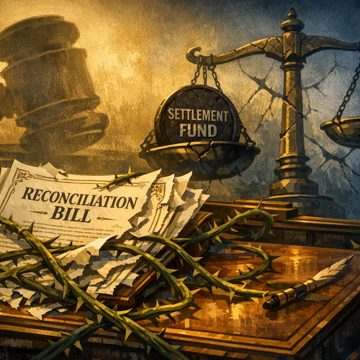
Virginia voters narrowly approved a redistricting measure after an expensive and confusing campaign, setting up a temporary shift in district lines as Democrats and Republicans continue a broader fight over gerrymandering.
VirginiaredistrictinggerrymanderingelectionsDemocratsRepublicansturnoutstate politics

Virginia voters narrowly approved a redistricting measure that could reshape the state's political map for the next election cycle, handing Democrats a needed win in a national fight over gerrymandering. The result was close enough to leave both sides claiming lessons about turnout, persuasion, and the growing willingness of voters to use hardball tactics against hardball tactics.
The measure passed after a campaign marked by heavy spending, misleading mailers, and competing claims about who would benefit. Supporters argued that the move was a necessary response to Republican-led redistricting efforts in other states and to years of partisan map-drawing that has let politicians choose their voters instead of the other way around. Opponents warned that any embrace of gerrymandering, even as a countermeasure, weakens democratic norms.
The final margin was tighter than many expected, especially in a state that has leaned Democratic in recent years but still remains politically mixed. Virginia is not a safely blue state. Northern Virginia is strongly Democratic, while much of the south and west remains deeply conservative. That split, along with uneven turnout, helped make the contest far closer than national Democrats might have hoped.
A major factor was the volume of outside money and messaging. Supporters of the measure said billionaire-backed groups poured millions into confusing ads, mailers, and texts that tried to turn Democratic voters against the proposal by framing it as a threat to democracy. Some voters reported receiving repeated mail pieces and messages filled with misleading claims, including attacks on prominent Democrats and false warnings about the consequences of a yes vote.
The campaign also became a test of whether voters would accept a temporary suspension of their usual objections to gerrymandering in order to blunt Republican advantages. Many supporters said the answer was yes, at least for now. Their argument was simple: when one side is already using every available tool to lock in power, refusing to respond only leaves the other side free to keep winning by default. In that view, a temporary countermeasure is not ideal, but it is a response to a system already distorted by partisan map-drawing.
Others were more conflicted. Even some people who voted for the measure said they disliked the principle behind it. They saw it as a necessary evil, not a model for good governance. The strongest criticism came from those who believe partisan gerrymandering should be banned nationwide instead of being fought state by state. They argued that the country cannot keep normalizing unfair maps, even when they are used against the side that has been targeted for years.
The vote also highlighted the role of turnout. With only about half of registered voters participating, the result reflected both enthusiasm and apathy. That left supporters urging a broader effort to register and mobilize more voters, especially in lower-turnout communities. The close margin made clear that even a few thousand votes could determine whether the plan lived or died.
For Democrats, the measure's passage may have immediate strategic value. It could help offset Republican gains in other states and create an opening in the next round of House elections. But even backers of the plan cautioned that it guarantees nothing. The new lines still have to survive legal scrutiny, and Democrats still have to win the seats they are hoping to gain. A redistricting win is only the first step.
The result also exposed an uncomfortable truth for both parties: voters are increasingly willing to accept tactics they say they dislike when they believe the stakes are high enough. That dynamic may be especially powerful under Donald Trump, whose calls for aggressive partisan map-drawing in Republican states helped sharpen the backlash. Some voters said his comments on the issue may have pushed them toward supporting the Virginia measure, even if they had reservations about the principle.
Republicans, meanwhile, are likely to face a fresh round of criticism over their long resistance to federal redistricting reform. Democrats have repeatedly backed national proposals to curb partisan map-drawing, while Republicans have largely blocked them. That history made it easier for Democrats to argue that Virginia was simply responding in kind.
The broader fight is not over. Other states are still weighing their own maps, court challenges could alter the outcome, and the next census will eventually reset the playing field. But for now, Virginia has become the latest battleground in a national struggle over who gets to draw political power on the map and whether voters will keep accepting a system built to reward one party's advantage over the other.