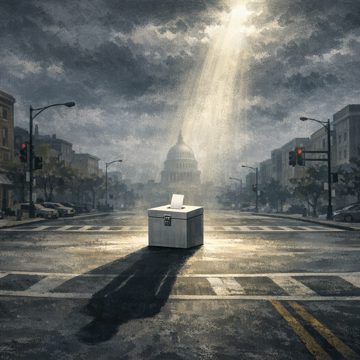
The Epstein files have become a flashpoint again, with calls for full release, renewed claims about Trump and other powerful figures, and fresh attention on how much remains hidden. The debate now spans the Transparency Act, Prince Andrew, and even long-running 9/11 theories.
transparencyTrumpCongressEpstein filesPrince AndrewJustice DepartmentThomas MassieEpstein Files Transparency Act9/11 conspiracy

The Epstein files are back at the center of a wider fight over power, secrecy, and accountability. What began as a demand for records connected to Jeffrey Epstein has grown into a broader political struggle involving Thomas Massie, the Epstein Files Transparency Act, allegations tied to Donald Trump, renewed focus on Prince Andrew, and even long-running conspiracy claims that stretch far beyond the original sex-trafficking case.
At the heart of the issue is a simple demand: release the records. Supporters of full disclosure argue that the public still does not know the full scope of Epstein's network or who may have enabled it. That pressure has been amplified by Massie's role in pushing legislation designed to force more openness from the Justice Department. The transparency bill is being treated by supporters as a major step because it would require Epstein-related records to be made public in searchable form, with redactions limited mainly to victim protection and classified material. For those who want the files opened, that kind of law is seen as the only way to stop the slow drip of partial disclosures and selective leaks.
Massie has become a central figure in that push. Supporters describe him as one of the few lawmakers willing to challenge the political cost of demanding release. They credit him with helping force votes, using procedural tools, and keeping pressure on federal agencies after the bill advanced. In their view, the Epstein files fight is not just about one scandal but about whether powerful people can keep important records buried until public attention moves on. They see the transparency effort as a test of whether Congress can still compel disclosure when the institutions holding the records would rather control the pace and scope of release.
The allegations surrounding Trump remain one of the most combustible parts of the story. Claims that Trump appears in the Epstein files, including accusations of misconduct, continue to fuel demands for a complete release. Some of the material circulating around the files is highly charged and goes far beyond verified reporting, but the political effect is clear: the Epstein case has become a vessel for suspicion about elite protection, selective justice, and whether influential people were shielded from consequences. For supporters of disclosure, even the possibility that records could contain damaging references to major political figures is reason enough to insist on full transparency rather than summaries or redacted excerpts.
Prince Andrew is another name that keeps resurfacing whenever the Epstein files are discussed. His connection to Epstein has already made him a symbol of how the scandal reached into royal and international circles. That is why renewed attention to police investigations and old allegations matters beyond one country or one institution. The case has long been viewed as proof that Epstein's reach was not limited to a private criminal network but extended into circles of wealth, status, and influence that often seemed insulated from normal scrutiny.
The files have also become a magnet for broader theories, including claims linking Epstein to 9/11. Those theories are not part of the established criminal case, but they show how a scandal built on secrecy can become a container for much larger distrust. Once people believe key records were hidden, some begin to assume hidden records exist everywhere. That is one reason the Epstein files keep drawing in unrelated suspicions: the secrecy itself invites speculation, and speculation then feeds the demand for even more disclosure.
That dynamic helps explain why the files have become more than a legal or investigative matter. They now function as a political symbol. For some, the issue is about survivors and accountability, and about making sure the evidence is preserved and made public. For others, it is part of a larger fight over institutions that they believe protected the wealthy and politically connected for years. The result is a case that keeps expanding: from Epstein's trafficking network, to the conduct of public figures, to the role of Congress, to the credibility of federal law enforcement, and even to long-running theories about unrelated national tragedies.
What stands out most is how much of the debate is still about what has not been released. The demand is not simply for headlines or summaries, but for the underlying records themselves. Supporters of the transparency push argue that partial disclosure only deepens mistrust, especially when redactions remain heavy and agencies control access. They want the files opened in a way that leaves little room for selective interpretation.
Whether the Epstein files will ever satisfy those demands is still uncertain. But the political pressure around them is not fading. The case continues to pull in lawmakers, accusations against powerful figures, and arguments about whether the justice system can be trusted to expose the full story. For now, the files remain a symbol of a much larger question: when the powerful are implicated, who gets to decide what the public is allowed to know?