SZA's Met Gala appearance drew strong reactions for its fairy-like color palette, ornate styling, and designer details. The look also revived criticism tied to the event's billionaire sponsorship, while other SZA-linked chatter ranged from spiritual clips to art, phones, and games.
SZAMet Galafashiondesignercelebrity stylered carpetSadhguruartcultural commentary

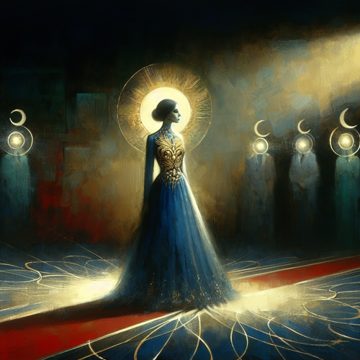
SZA's appearance at the Met Gala became one of the night's most talked-about fashion moments, not just because of the dress itself but because it seemed to capture several ideas at once: fantasy, glamour, and a little bit of contradiction. The look was widely described as colorful, whimsical, and almost fairy-like, with many focusing on the rich tone, the headpiece, and the overall sense that it belonged somewhere between high fashion and storybook costume. Some compared it to a painting or a Klimt-inspired composition, while others simply called it stunning, ethereal, or one of the best looks of the evening.
The dress also stood out for its scale and construction. Reports around the gown described it as being made from a large amount of fabric, sourced in a way that fit the Met Gala's long tradition of turning fashion into an event about craft as much as celebrity. That detail mattered because the reaction was not just about whether the outfit looked good. It was about the work behind it: the texture, the volume, the color, and the sense that the styling had been built to create a complete visual world rather than a simple red-carpet silhouette.
That visual success did not prevent criticism. A major thread of reaction centered on the tension between celebrity activism and the gala's sponsorship structure. SZA had previously spoken out on political and immigration issues, and some viewers saw her presence at an event backed by a billionaire patron as hard to reconcile with those positions. The concern was less about her alone than about the broader optics of a charity spectacle underwritten by immense private wealth. The criticism reflected a familiar modern dilemma: artists can deliver a public message on one stage and then appear at a luxury event tied to the very systems they have criticized on another.
Still, the dominant response to the look itself was admiration. The color drew especially strong praise, with many noting that it brought a rare sense of whimsy to a night often filled with severe tailoring, metallic armor, or conceptual minimalism. The styling seemed to lean into softness and ornament rather than restraint. That choice gave the outfit a distinctive identity and made it feel memorable even among a room full of carefully engineered statements. For a lot of observers, it was the kind of look that makes the Met Gala feel like more than a celebrity fundraiser: a place where fashion can become theatrical, almost painterly.
The broader SZA conversation around the event also carried a sense of personality that extended beyond the gown. She was described as stunning, but there was also a playful undercurrent of surprise, as if the look was so effective that it caught people off guard. That mix of praise and side-eye has become part of SZA's public image: admired for taste and presence, yet often watched closely for consistency between image, message, and action. The Met Gala appearance sharpened that contrast rather than erasing it.
Elsewhere, SZA's name surfaced in a very different context through a clip involving Sadhguru. That exchange prompted a separate wave of commentary about spirituality, authority, and the way public figures are used to frame larger arguments. The clip itself was less important than the reaction it triggered. It showed how quickly SZA's name can move between entertainment, culture, and ideology, becoming shorthand for a wider argument about authenticity and influence. In that sense, her presence at the Met Gala and her appearance in spiritual content both reveal the same thing: she occupies a space where style and meaning are constantly being interpreted.
The range of SZA-related attention did not stop there. Other references tied her name to an art-rating post, a discussion of a model kit collection, a phone homescreen, and Spaceflight Simulator. That scatter of interests says something about how celebrity identity now works in practice. A single name can anchor fashion coverage, personal aesthetics, niche hobbies, and even technical or game-related posts. The result is a portrait of cultural reach that feels less like traditional stardom and more like a network of overlapping tastes.
Fashion remained the clearest throughline, though. The Met Gala look resonated because it felt designed to be seen from a distance and studied up close. It had the kind of visual density that invites comparison to artwork, ceremonial dress, and fantasy illustration all at once. The references to color, headpiece, and texture suggest that the outfit succeeded not by being subtle but by committing fully to a mood. That is often what separates a memorable Met Gala appearance from a forgettable one. It needs a point of view, and SZA's look seemed to have one.
At the same time, the reaction showed how celebrity fashion is now inseparable from questions of context. The same image that inspired praise for elegance and imagination also prompted criticism about wealth, sponsorship, and public values. That tension was especially pronounced because SZA is not usually treated as a purely fashion-first figure. She carries musical credibility, a strong personal style, and a reputation for speaking plainly when she chooses to. When someone with that profile steps into a highly symbolic event, the outfit becomes more than clothing. It becomes a statement about belonging, visibility, and the cost of access.
Taken together, the response to SZA at the Met Gala was a reminder that a single red-carpet appearance can do a great deal of cultural work. It can highlight design craft, spark comparisons to art, revive questions about celebrity ethics, and even spill over into unrelated corners of fandom and personal taste. In SZA's case, the dress was the center of attention, but the larger story was the way it connected beauty, contradiction, and public image in one highly visible moment.