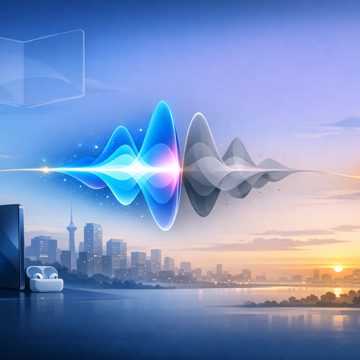
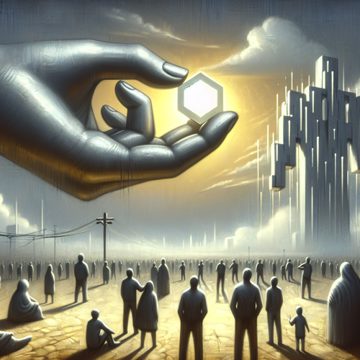
Stan Lee's voice and likeness are being licensed to ElevenLabs, raising big questions about AI resurrection, consent, creative control, and how far digital replicas should go in entertainment.
marvelAIentertainmentstan leeElevenLabsvoice cloninglikeness rightsdigital resurrection

Stan Lee is back at the center of a familiar but newly urgent question: what should happen when AI can recreate the voice and likeness of a dead cultural icon? A licensing deal tied to ElevenLabs has put that issue in sharp focus, with the company set to use Stan Lee's identity in ways that could extend beyond simple imitation and into full digital performance.
For many fans, the appeal is obvious. Stan Lee was not just a comic-book writer and editor; he became a public face for Marvel's larger-than-life style, a pitchman for imagination itself. The idea that an AI system could summon that presence again carries a strong emotional charge. It promises a kind of digital encore, one that could deliver new narration, new cameos, or even interactive experiences that sound and feel like the man who helped define modern superhero culture.
That possibility is also what makes the project so controversial. A recreated Stan Lee is not the same as an archive recording or a licensed clip. It is a synthetic performance shaped by data, prompts, and software. Even when a company has permission to use a person's voice and likeness, the result can still raise hard questions about authenticity. How much control should estates have over a public figure's image after death? How closely should a replica be allowed to mimic the original? And at what point does a tribute become a commercial substitute for the real person?
The strongest case for the technology is that it can preserve a legacy in a way older media cannot. A digital Stan Lee could be deployed in documentaries, interactive exhibits, branded content, or fan-facing experiences that keep his persona visible to new generations. Supporters argue that if the rights are properly licensed, the work can be treated like any other intellectual property: carefully managed, clearly labeled, and used to extend a cultural archive rather than erase it.
But the risks are just as clear. Stan Lee's image has always carried a particular kind of trust. He was seen as a genial host to a fictional universe, someone whose personality helped bridge the gap between creators and fans. Rebuilding that persona with AI introduces the possibility of drift. A system trained to sound like him may say things he never said, endorse ideas he never held, or appear in contexts he never would have accepted. Even with guardrails, a synthetic version can quickly become detached from the human being it is meant to represent.
That is why consent and oversight matter so much. A licensing agreement can answer one legal question, but it does not solve every ethical one. Families and estates can authorize use, but they still have to decide how much of a person's identity should be open to future repurposing. The more lifelike the result becomes, the more important it is to set boundaries around tone, subject matter, and commercial use. Otherwise, the technology risks turning memory into a product line.
The Stan Lee case also lands at a moment when the entertainment industry is already wrestling with synthetic performers, voice cloning, and digital doubles. Studios want cheaper, more flexible tools for production. Creators want new ways to build immersive stories. Audiences, meanwhile, are often divided between curiosity and discomfort. A famous voice can be a powerful draw, but it can also trigger a sense that something deeply human has been copied without enough restraint.
In comic-book culture, the tension is especially sharp because Stan Lee himself was so closely tied to authorship, branding, and performance. He was not a fictional character, yet he became part of the mythology surrounding Marvel. Recreating him with AI blurs that line further. The result may be technically impressive, but the deeper question is whether the industry wants a future where beloved figures are preserved as interactive simulations long after their deaths.
There is also a broader creative issue. If AI can convincingly generate Stan Lee's voice, it can also encourage studios and rights holders to lean on the past instead of building new icons. That could make digital resurrection feel less like preservation and more like dependency. In the short term, the novelty may attract attention. Over time, though, audiences may ask whether the entertainment business is investing enough in living writers, performers, and creators who can define the next era on their own terms.
The most defensible path may be the narrowest one. If a licensed AI Stan Lee is used sparingly, transparently, and with clear limits, it could function as a respectful archival tool or a carefully framed tribute. If it becomes a catch-all substitute for new storytelling, it will likely invite backlash. The difference comes down to intent and restraint: honoring a legacy versus exploiting it.
Stan Lee's name still carries enormous cultural weight, which is why this development matters beyond one company or one estate. It is a test case for how society handles digital afterlives. The technology now exists to make the dead speak in convincing ways. The harder task is deciding when that should happen, who gets to decide, and how much of a person's identity should remain off-limits even when the software can reproduce it.