
Becky Lynch remains central to the Ronda Rousey story because their long-running rivalry was built on Rousey's MMA aura and WWE's attempt to turn that legitimacy into a top-tier wrestling feud.
wwewrestlingMMAbecky lynchronda rouseybecky lynch ronda rousey

Becky Lynch remains one of the key names in any conversation about Ronda Rousey because their rivalry helped define how WWE tried to use Rousey's mixed martial arts fame inside pro wrestling. Rousey arrived with a rare level of mainstream recognition, but the most durable version of her WWE run was not simply about celebrity power. It was about whether an elite combat-sports reputation could be translated into a compelling wrestling story against established stars such as Lynch.
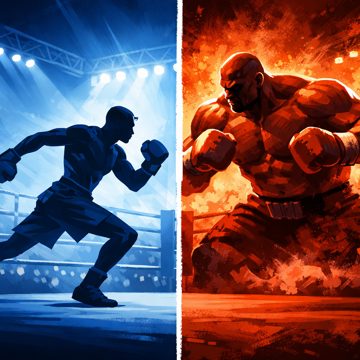
That tension is still part of why the matchup gets attention. Rousey was never presented as an ordinary newcomer. Her Olympic judo background, UFC success, and real-fight aura made her feel like a different kind of performer from the start. In wrestling terms, she was supposed to be believable in a way few people are. Becky Lynch, meanwhile, had built her status through character work, crowd connection, and the kind of long-form rise that wrestling audiences tend to reward. When those two paths collided, the result was bigger than a single match. It became a test of what matters more in wrestling: real athletic credibility or the ability to carry a story.
That is why the Becky Lynch connection keeps coming back whenever Rousey's name surfaces. The feud was designed to feel like a major event, and for a while it did. It had the ingredients of a top program: two strong personalities, a champion-versus-champion feel, and the sense that Rousey was bringing something from outside wrestling that could not be manufactured. But the same qualities that made the pairing attractive also made it complicated. Rousey's style was often judged against expectations that came from MMA, while Lynch's role depended on making the wrestling side of the equation feel bigger than the combat-sports novelty.
The appeal of that contrast has not faded. If anything, it has become clearer in hindsight. Rousey's reputation as a legitimate fighter gave WWE a short-term boost, but it also created a constant comparison point. Every match, promo, and public comment was measured against what she had done in MMA. That makes Becky Lynch important to the story because she represented the wrestling standard Rousey had to meet. Lynch was not just another opponent; she was the person WWE could use to ask whether Rousey could become more than a crossover attraction.
Recent attention around Rousey has also revived the old split in how fans view her. Some still see her as an easy-money draw who could sell a spectacle simply by showing up. Others think her presence exposed the limits of turning combat-sports fame into wrestling value. The reactions are often blunt: some admire the money and the spectacle, while others dismiss the whole thing as a flashy cash grab. That divide is part of the reason the Becky Lynch angle matters. Lynch was one of the few wrestlers positioned to stand opposite Rousey in a way that felt like a real main-event program rather than a cameo or novelty act.
There is also a practical business story underneath it. WWE has long tried to make crossover stars feel like proof of the company's reach, and Rousey fit that strategy perfectly. Her name carried weight beyond the wrestling audience, and that made her useful in a way many performers are not. But usefulness is not the same as fit. The strongest response to Rousey often came when she was paired with someone who could anchor the wrestling side of the presentation. Becky Lynch did that. She gave the program structure, stakes, and a sense that the match mattered inside the company's own hierarchy, not just as a celebrity attraction.
What makes this pairing especially notable is how differently the two women arrived at the same spotlight. Rousey came in as a combat machine, a fighter whose legitimacy was established elsewhere. Lynch became a star through wrestling itself, through character evolution and audience investment. That contrast is the heart of the story. It explains why the matchup was pitched as massive, why it drew so much attention, and why it still gets revisited when people talk about Rousey's place in wrestling history.
The MMA connection also adds a layer of skepticism. Fans who value realism in combat sports often look at wrestling crossover matches differently from pure wrestling feuds. When a former UFC champion enters the ring, the temptation is to judge every outcome through the lens of what would happen in a real fight. But wrestling runs on a different logic. The question is not only who would win in a cage. It is whether the match can make both performers look important within the story being told. Becky Lynch was central to that because she was one of the few wrestlers who could make Rousey's presence feel like a challenge rather than a sideshow.
That is also why the rivalry still matters even after the original run is over. It sits at the intersection of two forms of entertainment that overlap but do not fully agree with each other. MMA values legitimacy, damage, and competition. Wrestling values character, timing, and payoff. Rousey brought the first set of expectations into a space built on the second. Becky Lynch was the performer who had to absorb that collision and turn it into a believable wrestling program.
In the end, the Becky Lynch-Ronda Rousey story is still relevant because it says something larger about modern wrestling. The biggest names are no longer built only inside the ring. They can come from Olympic judo, MMA, acting, or anywhere else a strong enough persona can be made marketable. But once they arrive, they still have to fit the wrestling machine. Lynch's role in that process made her the natural measuring stick for Rousey. That is why the matchup remains one of the most important parts of Rousey's WWE legacy, and why the Becky Lynch name keeps coming up whenever her MMA background is part of the conversation.




Comments
No comments yet — be the first to share your thoughts.