Yosemite National Park remains the anchor for a wider national parks moment: rising crowds, bear-proof trash cans, trail etiquette, tree law, and the small design choices that shape how people move through wild places.
yosemite national parknational parksbear-proof trash canstree lawvisitor numbersreservationswildlife safetypark management

Yosemite National Park is back in the spotlight for more than one reason. Visitor numbers are climbing, reservation rules are shifting, and the park has become a useful stand-in for a bigger question about how Americans want to use public land: should national parks feel easier to enter, or should they stay tightly managed to protect the experience and the landscape?
That tension runs through nearly every part of the modern park visit. In Yosemite, as in many other major parks, the basics matter as much as the scenery. Parking, trail access, campground rules, wildlife safety, and trash handling can shape a trip just as much as Half Dome or Yosemite Valley. A park can look timeless and still depend on very contemporary systems to keep it functioning.
One of the clearest examples is trash. Bear-proof trash cans are not a side detail; they are part of the park's survival kit. Visitors often notice the rugged bins only after a frustrating attempt to open one, but those containers are there for a reason. They keep bears from learning that campsites and picnic areas are easy food sources, and they help prevent the chain reaction that begins when wildlife associates people with snacks. In a place like Yosemite, where the line between human space and animal space is constantly negotiated, a trash can is also a piece of wildlife policy.
That same practical logic extends to the trees. Tree law may sound like a niche concern, but in park country it is tied to a larger set of questions about stewardship, damage, and who gets to alter the landscape. Illegal cutting, stolen wood, and careless removal of trees are not just property disputes. They can affect habitat, slope stability, fire risk, and the character of an entire area. In and around national parks, tree damage is often treated as both an environmental issue and a legal one, because a stand of trees can be part of a public trust rather than a private asset.
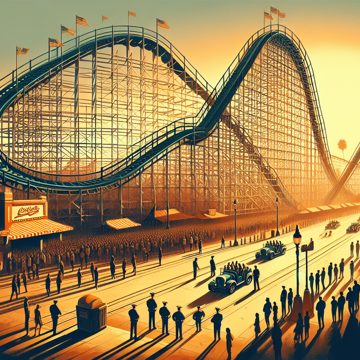
Crowding adds another layer. Yosemite has long been one of the country's most visited parks, and the recent rise in traffic has renewed the argument over whether removing reservations makes access better or simply makes the park harder to enjoy. More visitors means more pressure on roads, shuttles, bathrooms, viewpoints, and trails. It also means more wear on the very features that draw people there in the first place. The appeal of a spontaneous trip is obvious, but so is the appeal of a system that keeps the park from feeling overwhelmed.
That debate reaches beyond California. Other national parks are grappling with the same balancing act: welcome people in, but do not let the experience collapse under its own popularity. Zion, for example, remains a model of how a park can be both iconic and intensely managed. Rescue stories from remote parks show the same reality from another angle. The beauty is real, but so is the need for preparation, coordination, and sometimes improvisation when things go wrong on the trail.
The emotional pull of national parks is part of the story too. A dog in a ranger bandana, proudly earning a B.A.R.K. Ranger title, captures something simple and enduring about these places: they are not only for experts, athletes, or photographers. They are for families, casual hikers, road trippers, and even pets that get more enthusiastic about the outdoors than their owners do. That kind of image matters because it reminds people that parks are public spaces with room for joy, not just rules.
At the same time, the park experience is increasingly shaped by design choices that most visitors barely notice. A road layout, a trailhead sign, a shuttle route, or the placement of a dumpster can determine whether a busy day feels manageable or chaotic. That is why comparisons to other places keep surfacing. People look at cities, malls, rail maps, and public spaces in Copenhagen, New Zealand, Hawaii, Seattle, or the National Mall and ask the same question: why does one place feel intuitive while another feels like a maze?
National parks are especially vulnerable to that comparison because they are both natural and engineered. Yosemite may look like pure wilderness, but it depends on roads, bridges, waste systems, visitor centers, and rules that are closer to urban planning than to untouched nature. The same is true of a reflecting pool, a beach access point, or a transit map. The best public spaces hide their machinery well enough that visitors can focus on the experience, even though the machinery is doing most of the work.
That is what makes Yosemite such a durable symbol. It is not only a destination. It is a test case for how much structure people will accept in order to protect a place they love. It is also a reminder that the health of a park depends on small acts of discipline: closing a bin, staying on trail, respecting wildlife, and leaving trees where they stand. Those habits may seem ordinary, but together they keep the extraordinary from being worn down.
As visitation rises, the park's future may depend less on grand gestures than on these basic systems. The question is not whether Yosemite can still inspire awe. It can. The question is whether the park can remain open, safe, and recognizable while serving far more people than it was originally built to hold. That challenge is not unique to Yosemite, but Yosemite makes it visible in a way few places can.