Fatekeeper has opened in early access on PC with a first-person hack-and-slash RPG built around relics, spells, and branching choices. Its launch trailer has drawn attention for a tone that echoes the large-scale fantasy feel many players associate with Elder Scrolls.
early accessSteamaction RPGelder scrollsFatekeeperfantasy RPG

Fatekeeper's early access launch has put the new fantasy RPG in front of players looking for a fresh take on sword-and-sorcery, and the game is already being framed through an Elder Scrolls lens by many who see echoes of big, open fantasy worlds in its look and premise. The appeal is easy to understand: a first-person action RPG, a world built around relics and spells, and the promise that player decisions will matter as the adventure unfolds.
The launch trailer presents Fatekeeper as a game that wants to blend direct combat with a sense of destiny. Rather than leaning only on fast action, it emphasizes a world full of ancient structures, magical symbols, and a story built around choice and consequence. That combination gives it a traditional fantasy identity while still aiming for a more cinematic style than many smaller early access releases.
The game comes from Paraglacial and is now available in early access for PC through Steam. That matters because early access launches are often judged not just on what a game is today, but on what it seems capable of becoming. In Fatekeeper's case, the pitch is straightforward: explore, fight, collect relics, cast spells, and make decisions that shape the journey. For players who have spent years looking for the next large-scale fantasy RPG to sink into, that setup is enough to spark interest on its own.
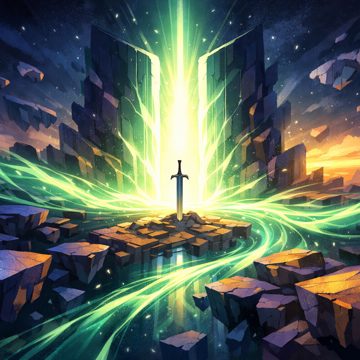
What stands out most in the launch material is the atmosphere. The world is presented with a restrained, serious tone: austere landscapes, intricate architecture, and a sense that something old and important lies beneath the surface. The trailer does not rush to explain everything. Instead, it builds a feeling of mystery, suggesting that the player is entering a place where knowledge, power, and consequence are all tightly linked.
That approach is one reason the game is being compared to Elder Scrolls-style fantasy even without copying it directly. The connection is less about specific mechanics and more about scale and mood. Elder Scrolls has long been associated with the freedom to inhabit a richly imagined world, and Fatekeeper appears to be reaching for a similar sense of immersion, even if its structure is more focused on action and deliberate choices than on sprawling sandbox design.
The trailer also hints at a central theme of responsibility. Images of an hourglass splitting into different possibilities and a sigil reacting to decisions suggest that the game wants players to think about fate as something they can influence, but not control without cost. That idea gives the setting a stronger identity than a simple combat showcase. It suggests a story where power is tied to consequence, and where revisiting choices may be part of the fantasy, but not a free pass to avoid the consequences of action.
The pacing of the trailer supports that message. It begins with smaller, more personal moments before widening into larger world-building shots. That structure gives Fatekeeper a sense of progression before the player even starts: first the individual, then the domain, then the larger stakes. It is a familiar storytelling pattern, but it works well for a new RPG trying to establish both intimacy and scale in a short reveal.
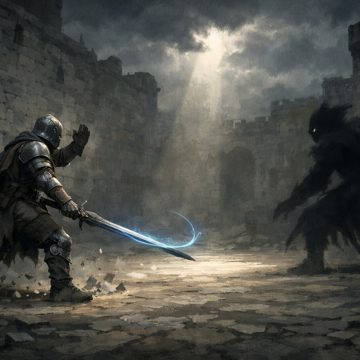
Combat is another important part of the pitch. Fatekeeper is described as a first-person hack-and-slash action RPG, which places it in a space where timing, positioning, and build choices are likely to matter. The combination of swordplay and magic is a classic fantasy formula, but the early access launch suggests the developers are using it as the foundation for a broader system rather than as a simple visual flourish. Players who want more than passive exploration will likely be watching closely to see how responsive and varied the combat feels in practice.
The early access model also means expectations are split between present content and future potential. A launch trailer can create excitement, but it also sets a benchmark. Players will want to know how much of the world is already playable, how much story and progression is available, and how much room there is for the game to grow. For a project like Fatekeeper, that balance is especially important because the fantasy it is selling depends on scale, depth, and the feeling that the world can keep unfolding over time.
There is also a broader appetite for fantasy RPGs that evoke the feeling of classic adventure without simply imitating the past. Fatekeeper seems to be aiming for that middle ground. It leans on familiar ingredients - relics, spells, ancient ruins, moral decisions, and first-person exploration - but packages them in a way that feels modern and tightly directed. That may help it stand out among players who want the spirit of a grand fantasy journey without waiting years for a massive blockbuster release.
For now, the launch trailer does the most important job an early access debut can do: it makes the world feel worth entering. Whether Fatekeeper becomes a long-term favorite will depend on how well the systems hold together once players spend real time inside it. But its opening message is clear. This is a fantasy RPG built to invite comparison with the biggest names in the genre, including Elder Scrolls, while trying to carve out its own identity through atmosphere, combat, and the weight of choice.
That is a strong starting point. In a crowded field, a game does not need to promise everything at once. It needs a world that feels alive, a hook that feels distinct, and enough confidence to let players imagine what the full journey could become. Fatekeeper's early access launch has at least given it that.